
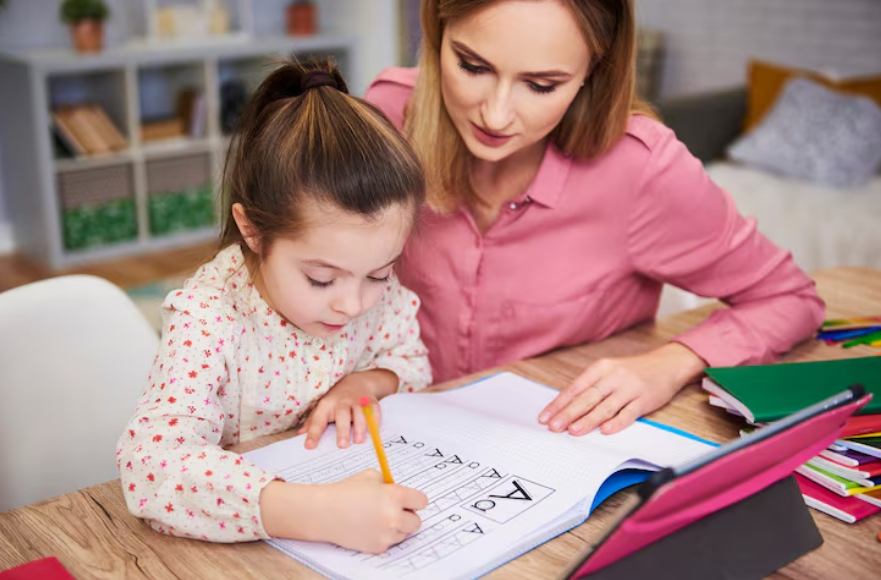

Primary education is one of the most important stages of a child’s academic development. It provides children with foundational knowledge and skills in reading, writing, mathematics, science, communication, and social interaction. During these early school years, students begin developing learning habits, confidence, curiosity, and the ability to work independently and with others.
What Is Primary Education?
Primary education refers to the first formal stage of schooling after early childhood or preschool education. The exact age range and grade structure vary between countries and education systems, but it generally covers the early years of compulsory schooling.
The main purpose is to provide children with fundamental academic knowledge while supporting their social, emotional, physical, and creative development.
Primary schools may use classroom instruction, practical activities, group work, educational games, technology, projects, and other approaches to make learning suitable for young students.
Why Primary Education Is Important
The early years of formal education establish a foundation for future learning. Children develop essential skills that they continue using throughout secondary school and beyond.
Important areas include:
- Reading and writing
- Basic mathematics
- Communication
- Problem-solving
- Critical thinking
- Social interaction
- Creativity
- Personal responsibility
- Digital awareness
A strong foundation can make it easier for students to understand more complex concepts as they progress through higher grades.
Core Subjects in Primary School
Primary school curricula vary, but several subjects are commonly included.
Language and Literacy
Language education helps children develop reading, writing, speaking, listening, vocabulary, and comprehension skills.
Early literacy is particularly important because students use reading and communication skills across almost every other subject.
Mathematics
Primary mathematics introduces children to numbers, counting, addition, subtraction, multiplication, division, measurement, shapes, patterns, and basic problem-solving.
Teachers often use practical examples and visual activities to make mathematical concepts easier to understand.
Science
Science lessons encourage children to observe the world around them and ask questions. Students may learn about plants, animals, weather, materials, the human body, the environment, and basic scientific concepts.
Hands-on activities can help connect classroom concepts with everyday experiences.
Social Studies
Social studies can introduce children to communities, geography, history, culture, citizenship, and the world around them.
These lessons can help students understand their relationships with family, school, community, and society.
Art and Creative Learning
Art, music, drama, and creative activities give children opportunities to express ideas and develop imagination.
Creative subjects can also support confidence, communication, coordination, and collaboration.
The Role of Primary School Teachers
Primary teachers play an important role in creating supportive learning environments. Because young students may have different abilities and learning preferences, teachers often use a variety of instructional approaches.
A primary teacher may:
- Plan lessons
- Explain concepts
- Organize activities
- Assess student progress
- Support individual learning needs
- Communicate with parents
- Manage classroom routines
- Encourage positive behavior
- Integrate technology
- Provide feedback
Teachers also help children develop habits such as organization, cooperation, responsibility, and respectful communication.
Learning Through Play and Activities
Young children often learn effectively when lessons include activities and practical experiences. Educational games, storytelling, experiments, puzzles, crafts, role-playing, and group projects can make lessons more engaging.
Activity-based learning can also give children opportunities to apply concepts rather than simply memorizing information.
The appropriate balance between direct instruction and activities depends on the age group, subject, curriculum, and individual classroom.
Technology in Primary Education
Digital tools are increasingly used in many primary classrooms. Interactive learning platforms, educational applications, digital books, presentations, and online resources can supplement traditional teaching.
However, technology works best when it supports clear educational objectives. Teachers still play an important role in selecting appropriate resources, guiding students, and helping children develop responsible digital habits.
Supporting Different Learning Needs
Students do not all learn in the same way or at the same pace. Primary education can include strategies designed to support different academic abilities, interests, languages, and learning needs.
Teachers may adapt instructions, provide additional practice, use visual resources, offer alternative activities, or provide extra support where appropriate.
Early identification of learning difficulties can also help schools and families seek suitable support.
The Role of Parents in Primary Education
Parents and caregivers can support children’s learning outside school by creating positive routines at home.
Helpful activities can include:
- Reading together
- Practicing basic mathematics
- Discussing school activities
- Encouraging questions
- Supporting homework routines
- Limiting unnecessary distractions
- Encouraging creative activities
- Communicating with teachers
Children generally benefit when home and school environments work together to support their development.
Primary Education and Social Development
School is not only a place for academic learning. Primary students also learn how to interact with classmates, follow group rules, communicate respectfully, solve disagreements, and cooperate on activities.
These experiences can help children develop social and emotional skills that remain important throughout their education and later life.
Challenges in Primary Education
Primary schools can face challenges such as differences in student readiness, classroom size, teacher workload, limited resources, language barriers, learning difficulties, and unequal access to educational opportunities.
Schools may address these challenges through teacher training, additional learning support, family engagement, technology, inclusive teaching practices, and appropriate educational resources.
How to Support Better Primary Learning
A positive learning environment should encourage curiosity rather than making children afraid of mistakes. Teachers and parents can help by recognizing effort, encouraging questions, providing constructive feedback, and allowing children opportunities to explore.
Regular reading, practical activities, educational conversations, and age-appropriate responsibilities can complement formal classroom instruction.
Primary Education and Future Learning
The skills developed during primary school provide a foundation for secondary education. Reading comprehension supports subjects such as history and science, while mathematics provides the basis for more advanced quantitative learning.
Communication, organization, problem-solving, and independent learning habits can also help students adapt as academic expectations become more demanding.
Final Thoughts
Primary education provides children with much more than basic academic knowledge. It supports literacy, numeracy, communication, creativity, social development, and independent learning. Teachers, parents, schools, and communities all contribute to creating positive learning experiences during these formative years. A supportive primary school environment can help children develop the confidence and foundational skills needed for continued education.
Frequently Asked Questions
What is primary education?
Primary education is the early stage of formal schooling in which children develop foundational academic, social, and personal skills.
What subjects are taught in primary school?
Common subjects include language and literacy, mathematics, science, social studies, art, physical education, and technology, although curricula vary by education system.
Why is primary education important?
It establishes foundational knowledge and learning habits that students use throughout secondary school and later education.
What is the role of a primary school teacher?
Primary teachers plan lessons, teach academic concepts, assess progress, manage classrooms, support individual needs, and help students develop social and learning skills.
How can parents support primary education?
Parents can support children by encouraging reading, maintaining study routines, discussing schoolwork, supporting homework, encouraging curiosity, and communicating with teachers.
Does technology help primary students learn?
Digital tools can supplement classroom instruction when they are selected appropriately and used for clear educational purposes. They should complement rather than automatically replace effective teaching practices.
Read More :Hunters Education Course A Complete Guide to Hunter Safety and Certification
