
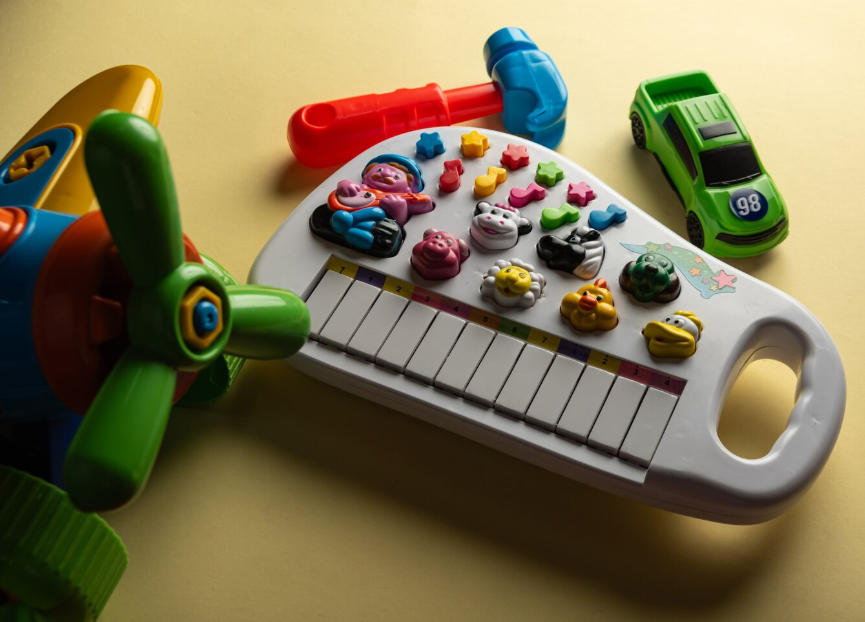

educational educational toys are an important part of play-based learning, helping children explore new ideas, develop essential skills, and discover the world around them. From colourful building blocks and puzzles to science kits and creative activity sets, educational toys can make learning enjoyable for children of different ages. When selected carefully, they encourage curiosity, imagination, problem-solving, communication, and independent thinking.
Parents and teachers increasingly look for toys that combine entertainment with meaningful learning experiences. However, the best educational toy is not necessarily the most expensive or technologically advanced product. Simple, age-appropriate toys can also provide valuable opportunities for exploration and development when children have time to experiment and interact with supportive adults.
This guide explains the meaning of educational toys, their benefits, popular types, age-appropriate choices, and practical tips for selecting suitable toys for children.
What Are Educational Toys?
Educational toys are play materials designed to encourage learning while children have fun. They may help children understand numbers, letters, shapes, colours, patterns, scientific concepts, and everyday activities. Some toys focus on one particular skill, while others encourage several abilities at the same time.
For example, building blocks can introduce basic mathematics, spatial awareness, creativity, and balance. Puzzles encourage children to observe details, recognize patterns, and solve problems. Pretend-play sets allow children to imitate everyday situations and practice communication.
Educational toys are useful at home, in preschools, in classrooms, and in childcare environments. India’s Ministry of Women and Child Development also highlights play materials and developmentally appropriate activities as ways to support learning during early childhood.
The goal is not to turn every play session into a formal lesson. Instead, educational toys provide opportunities for children to learn naturally through experimentation, repetition, discovery, and imagination.
Key Benefits of Educational Toys
Educational toys can contribute to different areas of child development. Their value depends on the child’s age, interests, abilities, and opportunities to explore.
1. Improve Problem-Solving Skills
Puzzles, construction sets, shape sorters, and logic games encourage children to work through challenges. They learn to identify problems, test possible solutions, and try again when something does not work.
For instance, a child building a tower may discover that a wider base makes the structure more stable. This simple activity introduces cause and effect through hands-on experience.
2. Support Early Language and Communication
Alphabet toys, picture cards, storybooks, puppets, and pretend-play sets can create opportunities to learn new words and express ideas.
Parents can support this process by asking questions such as, “What do you think happens next?” or “Can you describe the picture?” These conversations help children practice listening, speaking, storytelling, and vocabulary.
3. Develop Creativity and Imagination
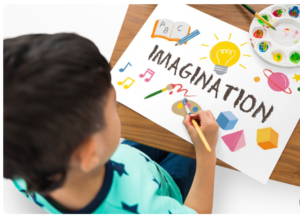
Art supplies, building blocks, dolls, toy vehicles, and pretend kitchens encourage children to invent their own activities.
Open-ended toys are particularly useful because they can be used in many different ways. A collection of blocks might become a house, a bridge, a zoo, or a spaceship. This flexibility allows children to develop original ideas rather than simply following instructions.
4. Strengthen Fine Motor Skills
Fine motor skills involve the small muscles used for activities such as drawing, writing, fastening buttons, and handling objects.
Suitable educational toys include:
- Large, age-appropriate building blocks.
- Chunky crayons and washable markers.
- Simple puzzles with easy-to-grip pieces.
- Threading toys designed for the child’s age.
- Modelling dough and supervised craft materials.
These activities encourage hand-eye coordination and controlled hand movements.
5. Encourage Social and Emotional Development
Board games, pretend-play activities, and cooperative building projects can help children practice sharing, taking turns, patience, and teamwork.
When children play together, they may also learn to manage disappointment, communicate their preferences, and negotiate different ideas. Adults can guide these interactions by modelling respectful communication and helping children solve disagreements.
6. Make Learning Enjoyable
Children often engage more willingly with concepts when they can explore them through play. Counting objects, matching shapes, arranging letters, or experimenting with simple building materials can make early learning feel less like a formal assignment.
Educational toys should complement everyday experiences, conversation, reading, outdoor activities, and classroom learning rather than replace them.
Popular Types of Educational Toys
Different toys support different learning goals. Choosing a variety of play materials can provide children with opportunities to develop multiple skills.
Building and Construction Toys
Building blocks, interlocking pieces, magnetic construction toys, and age-appropriate engineering sets encourage creativity and spatial reasoning.
Children can experiment with size, shape, balance, and structure. Older children may enjoy construction challenges that introduce simple engineering principles.
STEM Educational Toys
STEM toys focus on science, technology, engineering, and mathematics. Examples include beginner science kits, simple mechanical models, coding games, and age-appropriate experiment sets.
These toys can encourage children to ask questions, observe results, recognize patterns, and understand how objects work. Adult supervision is important for science activities involving tools, electricity, heat, or small components.
Puzzles and Logic Games
Jigsaw puzzles, matching cards, memory games, and pattern activities encourage concentration and logical thinking.
Choose puzzles with a suitable level of difficulty. An activity that is too easy may not hold a child’s attention, while one that is too challenging may lead to frustration.
Language and Literacy Toys
Alphabet blocks, letter-matching games, picture books, storytelling cards, and magnetic letters can support early literacy.
For older children, word games and spelling activities may provide additional practice. Reading and talking together remain valuable parts of language development.
Art and Creative Toys
Drawing sets, washable paints, modelling clay, craft paper, and child-safe craft kits encourage self-expression.
Creative activities can also help children practice planning, following steps, experimenting with materials, and describing their work.
Pretend-Play Toys
Toy kitchens, doctor sets, animal figures, puppets, dolls, and toy shops allow children to recreate familiar situations and invent stories.
Pretend play can support language, social interaction, emotional expression, and imaginative thinking.
Best Educational Toys by Age Group
Children develop at different rates, so age ranges should be used as general guidance rather than strict rules. Always check the manufacturer’s age recommendations and safety information.
| Age group | Suitable educational toys | Skills supported |
|---|---|---|
| 0–2 years | Soft sensory toys, sturdy board books, large stacking cups | Sensory exploration, early movement, and interaction |
| 2–3 years | Large blocks, simple shape sorters, chunky puzzles | Matching, coordination, and early problem-solving |
| 3–5 years | Pretend-play sets, art materials, simple puzzles, counting toys | Creativity, language, early literacy, and numeracy |
| 6–8 years | Board games, construction sets, beginner science activities | Reasoning, teamwork, and structured problem-solving |
| 9 years and older | Advanced building kits, coding games, strategy games | Planning, logical thinking, and independent exploration |
Educational Toys for Babies and Toddlers
Babies and toddlers benefit from safe toys that invite sensory exploration and interaction with caregivers. Textured objects, soft toys, sturdy board books, and large stacking cups can provide opportunities to explore sounds, shapes, and movement.
Avoid toys containing small detachable parts, loose magnets, button batteries, or other choking hazards. Supervise play and choose materials that are suitable for the child’s developmental stage.
Educational Toys for Preschoolers
Preschoolers often enjoy activities involving sorting, counting, storytelling, construction, and imaginative play.
Shape sorters, large puzzles, pretend kitchens, picture books, and washable art materials can support learning through hands-on exploration. Adults can extend the experience by asking questions and encouraging children to describe what they are doing.
Educational Toys for School-Age Children
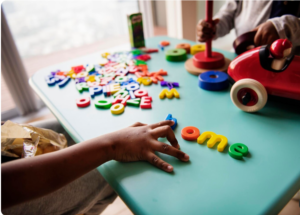
School-age children may enjoy more complex puzzles, strategy games, building kits, geography games, and introductory science activities.
These toys can provide opportunities to practice planning, follow rules, cooperate with others, and explore subjects that interest them. The best choice depends on whether the child enjoys making things, solving problems, reading, experimenting, or playing games.
How to Choose the Right Educational Toys
Selecting the right toy involves more than looking for the word “educational” on the packaging.
Consider the Child’s Interests
Observe the activities that naturally attract the child. A child who enjoys drawing may appreciate an art kit, while a child who likes constructing objects may prefer building blocks.
When toys connect with existing interests, children may be more motivated to explore them and return to them over time.
Check Age Recommendations and Safety
Look for appropriate age guidance, durable construction, and clear safety information. For younger children, avoid small pieces that can be swallowed. Inspect toys regularly for broken parts, sharp edges, loose components, or damaged batteries.
Prefer Hands-On Exploration
Toys that encourage children to build, arrange, create, experiment, and imagine offer active opportunities for learning.
Electronic toys can have a place, but lights, sounds, and automated instructions do not automatically make a toy educational. Consider whether the child is actively participating or mainly watching and listening.
Choose Versatile Toys
Open-ended toys can support different activities as children’s interests change. Blocks, art supplies, pretend-play materials, and simple construction sets can often be used in many ways.
Versatile toys may also offer better long-term value than products designed for only one narrowly defined activity.
Balance Learning With Fun
Children need time for free play without constant testing or correction. Allow them to explore, make mistakes, and develop their own ideas.
The American Academy of Pediatrics emphasizes developmentally appropriate play materials, imaginative activities, and supportive interaction between caregivers and children. A simple toy can be highly valuable when it encourages meaningful engagement.
Educational Toys for Home and Classroom Learning
Educational toys can be used in both home and school environments, although the activities may differ.
At home, parents can use toys during short, relaxed play sessions. Counting blocks while tidying up, creating stories with animal figures, or sorting objects by colour can connect play with everyday learning.
In classrooms, teachers can organize activities around specific learning objectives. For example, construction toys can support lessons about shapes and balance, while board games can provide practice with counting and following rules.
| Learning goal | Example activity | Possible learning outcome |
|---|---|---|
| Early mathematics | Count and sort blocks | Number recognition and classification |
| Language development | Create a story with puppets | Vocabulary and storytelling |
| Science exploration | Build and test a paper bridge | Observation and experimentation |
| Social skills | Play a cooperative board game | Turn-taking and communication |
| Creative expression | Design a picture or model | Imagination and fine motor practice |
Teachers and parents should adapt activities to children’s abilities and interests. The aim is to create opportunities for discovery, not to expect identical results from every child.
Common Mistakes to Avoid When Buying Educational Toys

Some common mistakes can reduce the usefulness of educational toys.
- Buying toys that are too advanced: Choose a level of challenge the child can reasonably explore.
- Assuming expensive toys are better: Simple blocks, books, household play materials, and art supplies can offer meaningful learning opportunities.
- Choosing toys only for academic skills: Include imaginative, physical, creative, and social play.
- Overloading the play area: Rotate toys occasionally to help children focus on available activities.
- Replacing interaction with technology: Whenever possible, join children in play, talk about what they are doing, and encourage their questions.
- Ignoring safety information: Check age recommendations, choking hazards, material quality, and supervision requirements.
A thoughtful selection of toys is more useful than a large collection that receives little attention.
Frequently Asked Questions About Educational Educational Toys
1. What are educational educational toys?
Educational educational toys are play materials intended to support learning and development. Examples include puzzles, building blocks, counting games, alphabet toys, science kits, and creative activity sets. They can help children practice skills while enjoying play.
2. What are the main benefits of educational toys?
They can support problem-solving, language development, creativity, coordination, concentration, and social interaction. The benefits depend on the toy, the child’s developmental stage, and how the activity is used.
3. Which educational toys are best for toddlers?
Large stacking cups, soft sensory toys, sturdy board books, simple shape sorters, and large blocks may be suitable choices. Always follow age recommendations and avoid toys with small parts or other choking hazards.
4. Are expensive educational toys better than simple toys?
No. A toy does not have to be expensive or electronic to provide learning opportunities. Simple blocks, picture books, drawing materials, and pretend-play objects can encourage creativity, language, and problem-solving.
5. How can parents use educational toys effectively?
Parents can allow children to explore independently while offering encouragement, asking open-ended questions, and joining in when appropriate. Short, enjoyable play sessions and a safe environment can help make learning through play more meaningful.
